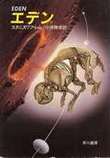
 »In den Berechnungen war ein Fehler. Sie waren nicht über die Atmosphäre hinweggeflogen, sondern waren mit ihr zusammengestoßen. Das Raumschiff bohrte sich mit lautem Krachen, von dem die Trommelfelle anschwollen, in die Lufthülle. « So beginnt Stanislaw Lems Buch Eden und die Havarie der fünf Astronauten, die auf dem Planeten gleichen Namens in einem fernen Sonnensystem merkwürdige und bedenkenswerte Abenteuer erleben.
 Kyberiade
 Der Band versammelt alle Fabeln zum kybernetischen Zeitalter, die Stanislaw Lern unter dem Titel »Kyberiade« zusammenfaßte: von fünfzehn Erzählungen erscheinen sieben erstmals in deutscher Sprache; die anderen wurden für diese Ausgabe durchgesehen, eine neu übersetzt.
»Das Weltall ist unendlich, aber begrenzt, und deshalb kehrt ein Lichtstrahl, wohin er auch aufbricht, nach Milliarden von Jahrhunderten an seinen Ausgangspunkt zurück, sofern er nur genügend Kraft hat; nicht anders ist es mit den Nachrichten, die zwischen den Sternen und Planeten kreisen(...)«
Covers | Leseprobe | Lem's Meinung | Reviews
Eden
»In den Berechnungen war ein Fehler. Sie waren nicht über die Atmosphäre hinweggeflogen, sondern waren mit ihr zusammengestoßen. Das Raumschiff bohrte sich mit lautem Krachen, von dem die Trommelfelle anschwollen, in die Lufthülle. « So beginnt Stanislaw Lems Buch Eden und die Havarie der fünf Astronauten, die auf dem Planeten gleichen Namens in einem fernen Sonnensystem merkwürdige und bedenkenswerte Abenteuer erleben.